The Role Of Rain Flies In Reducing Condensation
Exactly how to Set Up a Rain Fly for Maximum DefenseA rainfall fly shields your tent from rain and wind. It's normally made from polyester and is an important part of any camping equipment.
Some camping tents even feature a built-in rainfly. These offer complete protection from rainfall and high winds.
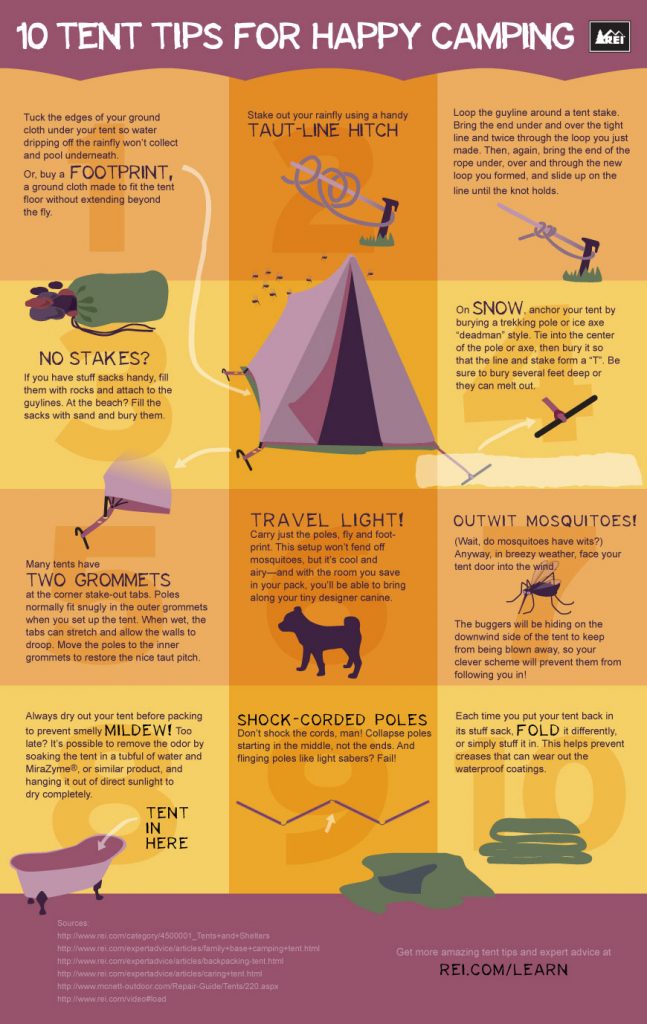
To take full advantage of the rain fly's performance, keep it tight. To do so, cinch the side modification cords equally and on a regular basis check fly stress throughout your camp trip.
Tie the Tarpaulin
For those who camp in locations prone to rainfall and wind, full rainfall flies like the one that comes with our tents give total defense. They wrap around the whole camping tent to secure from both rain and high winds, and are typically larger than partial tarps that work more like material pavilions, supplying some security but permitting air to pass through to your resting location.
Tarps made from poly can additionally be suspended over your tent to supply extra sanctuary and can often feature additional ties and hooks for custom-made add-on to the structure and a more powerful hold against gusty problems. Making use of a tarp as a rainfall fly is frequently a cost-effective option to acquiring a dedicated rainfall fly, and can even help reduce the weight of your pack if you are backpacking. Gradually, polyester tarpaulins can lose their waterproofing as a result of scrubing and exposure to sunlight rays, yet this is quickly repaired by splashing canvas material the product with waterproofing sealer.
Tie the Fly to the Tent
Most outdoors tents include corner attachment points for individual lines. Utilize these and stakes to stabilize the fly during gusty weather condition. Larger dome outdoors tents may additionally have main attachment points; utilizing these too creates an alternate stronger setup that calls for less risks and is quicker to set up.
Tie one end of each line to the camping tent edge accessory factor; loophole the various other end over a pole that's far away from the camping tent (to stay clear of a tripping hazard) and connect it off with a bowline knot. Repeat for every edge of the rainfall fly.
Some individuals additionally clip a channel to the side "O" rings on their rainfly and hang a water bottle at each low corner. As the rain water leaks into the bottle, the weight reduces the fly immediately for tornado problems, keeping fly stress. This is a wonderful way to have a few liters of fresh water ready for a shower.
Tie the Fly to the Ground
One excellent new idea for a Hennessy Hammock with the rain fly is to utilize a lengthy elastic cable to run from each side ring on the fly bent on shrubs, trees or the ground. After that you can connect a weight to every of these places and this will immediately reduce the rainfly for storm conditions while maintaining the same tension that it had when dry. This maintains it tight, protects against water collection in the creases and additionally permits you to hang a hydration container at each corner of the fly. This offers several liters of fresh drinking water in rainy problems.